
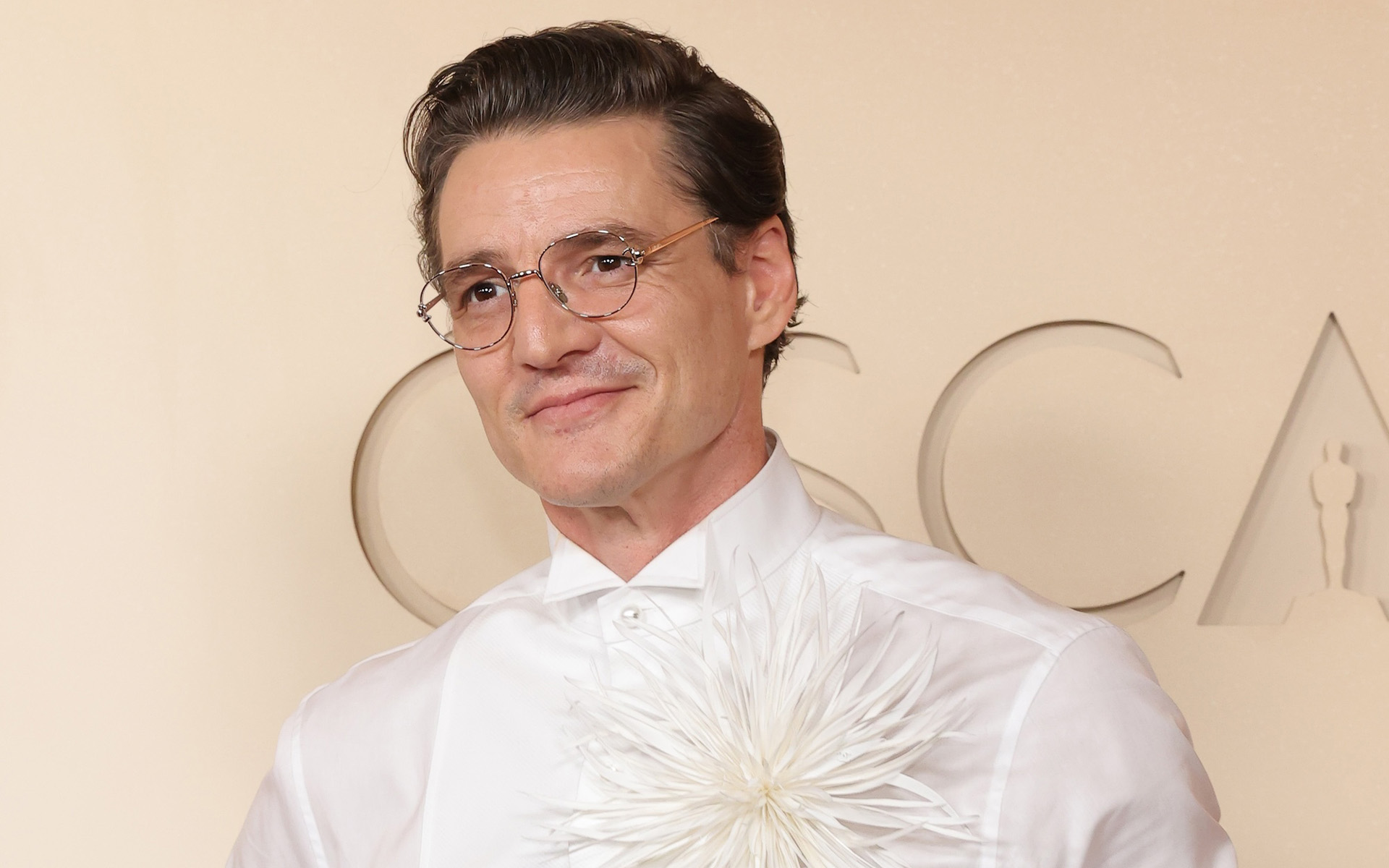
Pedro Pascal Is the Face of Chanel — And That's a Very Deliberate Market Signal
When Chanel taps a ruggedly masculine Hollywood actor best known for playing a mercenary space cowboy and a post-apocalyptic smuggler, it does not do so by accident. Every Chanel decision — from the price of a Classic Flap to the face on a campaign billboard — is a calculated move. Pedro Pascal's appointment as a Chanel ambassador in 2024 is no different. And if you know how to read it, it tells you something important about where Chanel's desirability is heading, and what that means for the resale value of the pieces sitting in your wardrobe — or the ones you should be acquiring right now.

The Announcement: Who Is Pedro Pascal and Why Is Chanel Talking About Him?
Pedro Pascal is, statistically, the most talked-about actor in the world right now. His breakout role as the titular character in The Mandalorian earned him a global fanbase that skews younger, more digitally native, and more culturally influential than almost any other celebrity demographic. His role as Joel in The Last of Us then expanded that audience dramatically, pulling in prestige TV viewers, gaming communities, and a wave of cultural commentary that kept him in the global conversation for months.
He is 49 years old, Chilean-American, and almost absurdly charismatic. He is also, notably, male.
Chanel chose him deliberately, strategically, and with full awareness of what his cultural currency represents in 2024.
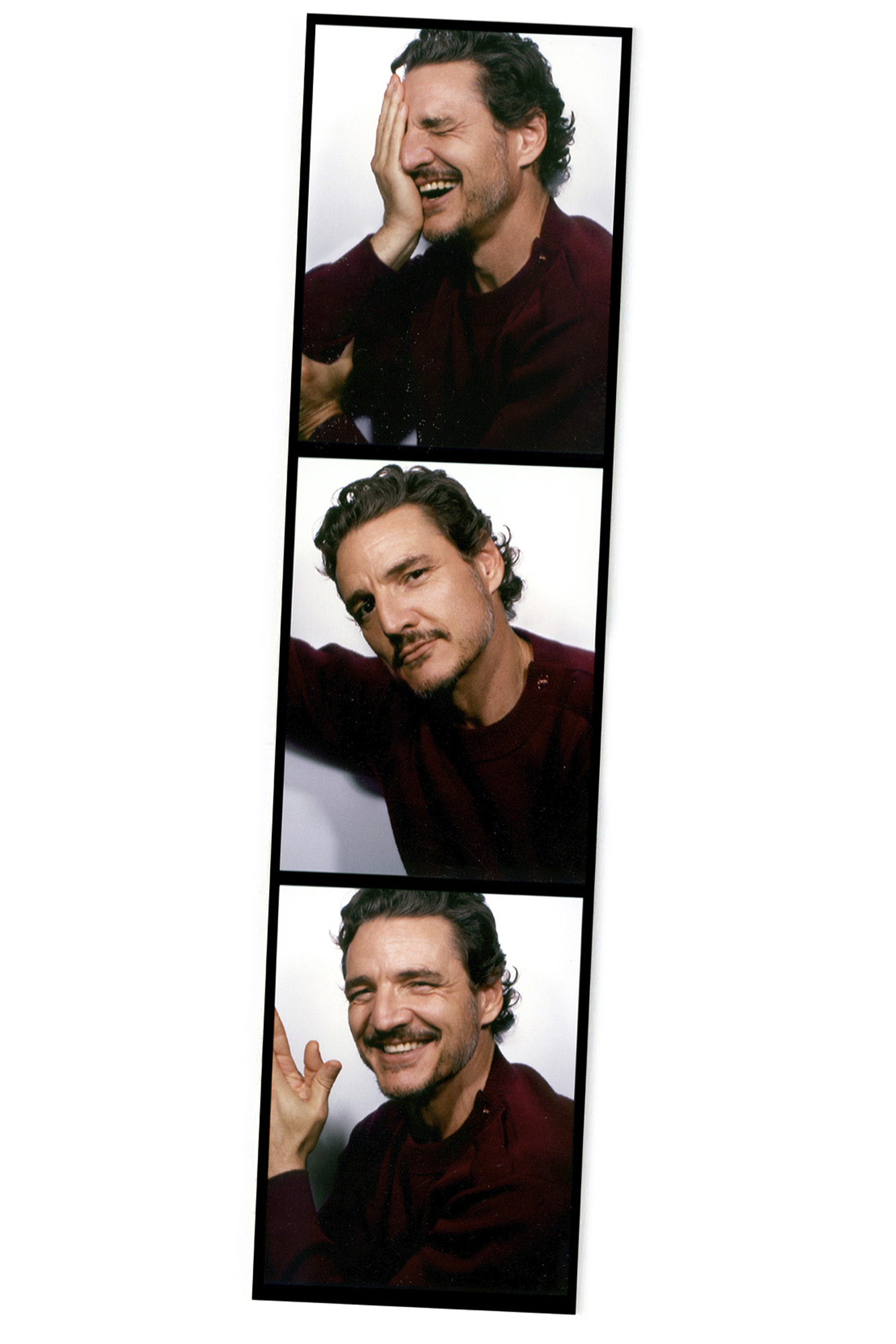
Chanel's History of Iconic Ambassador Choices — From Marilyn Monroe to Pharrell Williams
Chanel has always understood that the right face is worth more than the most expensive campaign.
Marilyn Monroe famously told the world she wore nothing to bed but Chanel No. 5, turning a fragrance into a cultural artifact with a single sentence. That quote — unpaid, unscripted — generated decades of brand equity Chanel could never have purchased directly.
Coco Chanel herself dressed the most powerful women of early 20th-century Paris. The brand's DNA has always been about access to a certain kind of cultural power, not just fashion.
In the modern ambassador era, Chanel's choices have been deliberate and often ahead of the cultural curve. Kristen Stewart's appointment in 2021 was a masterclass in selecting someone whose perceived authenticity and gender-nonconforming aesthetic aligned with where the brand wanted to go. Pharrell Williams, long before his Louis Vuitton appointment, had a relationship with Chanel that positioned the house as culturally fluid and genuinely global.
The pattern is consistent: Chanel picks people who make you feel something, not just people who are famous.

Decoding the Strategy: What Pedro Pascal Represents for the Chanel Brand in 2024
The luxury market in 2024 is operating in a complex environment. Post-pandemic demand surges have cooled. Chinese luxury consumption — which drove enormous volume for European houses — softened considerably in 2023 and into 2024. Bain & Company reported that global personal luxury goods market growth slowed to approximately 4% in 2023, down from the 22% surge seen in 2022.
In this environment, brands cannot rely on price increases alone to sustain desirability. They need cultural heat.
Pedro Pascal delivers cultural heat in a very specific way. His fanbase — intensely loyal, predominantly female, aged 25–45 — represents exactly the demographic purchasing Chanel handbags. He generates what analysts call parasocial desire: an intimate, emotional connection that translates directly into consumer aspiration. Women who admire Pedro Pascal do not just want to watch him. They want to inhabit the world he moves through. Chanel makes that possible.
This is not a coincidence. It is a textbook aspirational transfer strategy.
The Gender-Fluid Luxury Shift — How Male Faces Sell Women's Desire for Chanel
This is the part of the strategy that is genuinely sophisticated, and it deserves a closer look.
Luxury houses have increasingly understood that male ambassadors can be extraordinarily effective at driving female purchase intent — not despite their gender, but because of it. The mechanism is emotional, not logical.
When Brad Pitt appeared in that 2012 Chanel No. 5 campaign, sales did not drop because a man was advertising a women's fragrance. They increased. The ad generated more media coverage than any Chanel fragrance campaign in the preceding decade. Women were not purchasing the idea of smelling like Brad Pitt. They were purchasing proximity to the world — the sensibility, the romance, the feeling — that Chanel and Brad Pitt together constructed.
Pedro Pascal operates on an even deeper level. His cultural persona is fundamentally about protection, warmth, and quiet strength. He plays father figures, protectors, men of moral complexity. His appeal is emotional intimacy rather than conventional glamour. And that emotional texture — when placed inside Chanel's visual language of sophisticated femininity — creates a contrast that is extraordinarily compelling.
Chanel is not selling Pedro Pascal to women. Chanel is selling women the version of themselves that exists in a world where Pedro Pascal is part of the aesthetic conversation.
That is advanced brand building.
The 'Celebrity Halo' Effect: How Ambassador Buzz Drives Demand for Classic Chanel Bags
The academic research on celebrity endorsement and luxury resale markets is unambiguous: high-visibility ambassador appointments drive measurable increases in search volume, waitlist registrations, and secondary market pricing for the brand's core investment pieces.
A 2023 analysis by The RealReal noted that major cultural moments — brand campaigns, red carpet appearances, celebrity associations — generated average secondary market price increases of 8–15% for core pieces in the 90-day window following the cultural event.
Chanel's own price history demonstrates this phenomenon compounded over time. The Classic Flap Bag retailed at approximately $4,900 in 2019. By 2024, the medium Classic Flap retails at $10,800 — a 120% increase in five years. Chanel has raised prices aggressively and deliberately, and the brand's ambassador strategy is a core component of the sustained cultural relevance that makes those increases hold.

What This Means for Resale Value — Classic Flap, Boy Bag, and 2.55 in Focus
Ambassador momentum does not operate in isolation. It amplifies existing demand for pieces that already have structural reasons to hold value. In Chanel's case, three bags carry the weight of the investment argument.
The Classic Flap is the anchor. Double-C hardware, quilted lambskin or caviar leather, chain strap — it is the most recognizable luxury bag on earth. Pre-owned Classic Flaps in caviar leather with gold hardware consistently trade at 90–100% of retail, with pristine vintage pieces from the 1990s sometimes exceeding original retail entirely.
The Boy Bag, introduced in 2011 as Karl Lagerfeld's tribute to Coco's love affair with the Duke of Westminster, occupies a slightly different cultural register — harder, more architectural — but its resale retention is nearly as strong, averaging 85–92% depending on condition and hardware.
The 2.55 Reissue is the collector's choice. Originally designed by Gabrielle Chanel herself in February 1955 (hence the name), the 2.55 predates the Classic Flap by decades and carries genuine historical weight. Discontinued colorways and limited releases trade at premiums of 20–40% above retail.

How Savvy Collectors Can Capitalize on Cultural Moments Like This One
The collector's playbook for ambassador-driven demand surges follows a predictable pattern, and understanding it is straightforward.
Step one: Buy before the surge fully materializes. Ambassador announcements create a 60–90 day window during which cultural interest spikes but secondary market supply has not yet contracted. This is the acquisition window.
Step two: Prioritize perennial hardware. When cultural heat subsides — and it always does — the pieces that retain value longest are those with classic hardware configurations. For Chanel, that means gold or silver hardware on black caviar leather Classic Flaps. These are the pieces that will still be as desirable in 2035 as they are today.
Step three: Condition grades matter more than ever. In a softening retail environment, the premium for pristine pre-owned pieces has actually increased. Collectors who spent 2020–2022 accepting "good" condition are now demanding "excellent." Invest in grading up.
Step four: Think in categories, not single pieces. A Classic Flap, a Boy Bag in a different size, and a 2.55 Reissue form a portfolio with diversified entry points, aesthetic variation, and complementary resale dynamics.
Shopping the Story: Pre-Owned Chanel Pieces Worth Acquiring Right Now
Cultural momentum aside, the financial case for pre-owned Chanel is built on structure that exists independent of any ambassador cycle.
Buying pre-owned Chanel saves you, on average, 30–38% against current retail. That saving is not nominal — on a $10,800 Classic Flap, 33% is a $3,564 difference. That is real capital preserved.
Pre-owned also gives you access to discontinued pieces that simply do not exist in boutiques anymore. Vintage 2.55 Reissues in burgundy or navy. Boy Bags in the original ruthenium hardware that Chanel has since phased out. Classic Flaps in rose gold hardware — discontinued in 2021 — that now trade at premiums precisely because supply is fixed.
The piece that started it all. Explore our pre-owned Chanel handbags collection.

If you are ready to move, our Chanel Boy Bag inventory includes current-season and discontinued configurations worth examining closely.
And for the collectors watching the 2.55 specifically: our Chanel 2.55 Reissue selection includes several configurations that have not been available at retail for over three years.
The Boy Bag in aged gold hardware — discontinued, in demand, and worth every dollar. Browse our Chanel bags collection.
Shop Chanel at The Reluxe
Every piece is expertly verified before it reaches you.

Featured Shoulder Bag

Chanel 2-Way Shoulder Bag Quilted Gold Caviar Leather Coco Handle 29
$8,185
Shop NowFinal Verdict: Is Pedro Pascal's Chanel Era a Passing Moment or a Market Signal?
The honest answer is: it is both, and that distinction matters.
As a cultural moment, Pedro Pascal's Chanel partnership will have a defined lifespan. Ambassador cycles rotate. Cultural heat dissipates. In 24 months, there will be a new face and a new conversation.
But as a market signal, the appointment tells you something durable. Chanel is actively investing in its cultural relevance with a new generation of consumers. It is diversifying its appeal beyond traditional luxury demographics. It is using one of the most genuinely beloved public figures of the current moment to remind the world that Chanel is not a museum piece — it is alive, it is current, and it is worth desiring.
That kind of brand stewardship is exactly what sustains the price floor under a Classic Flap in 2029 and 2034 and 2040.
The Pedro Pascal moment will pass. The Classic Flap will not.
The window to acquire at current pre-owned prices — before the next round of retail increases, before secondary market supply contracts further — is open right now. Collectors who moved on Chanel in 2019 are sitting on 120% retail appreciation. The structural case for the next five years is no less compelling.
The numbers support it. The culture is amplifying it. The only question is whether you act before the next price increase makes the decision for you.
Explore The Reluxe's full pre-owned Chanel collection — and make the smartest acquisition of the season.